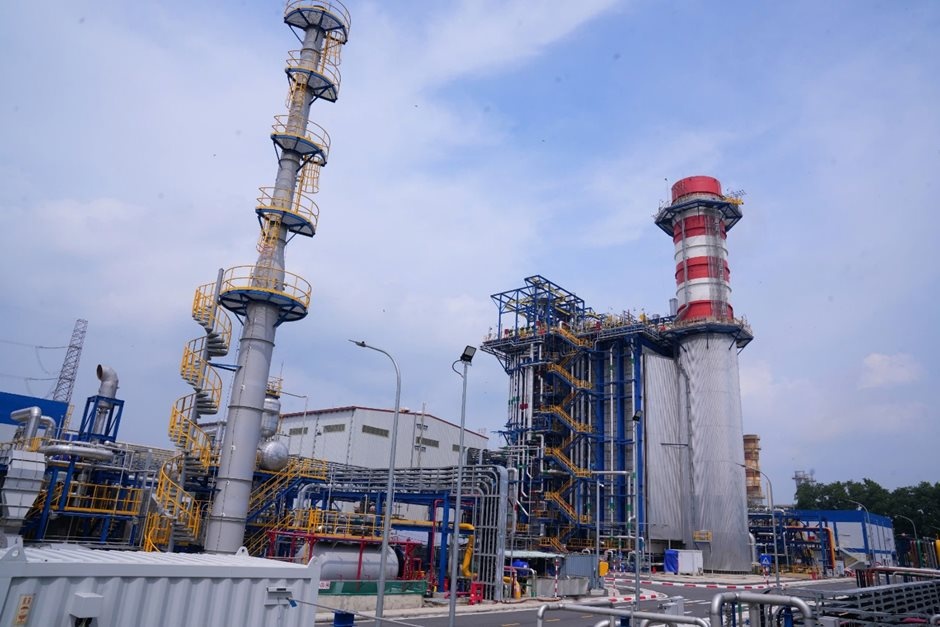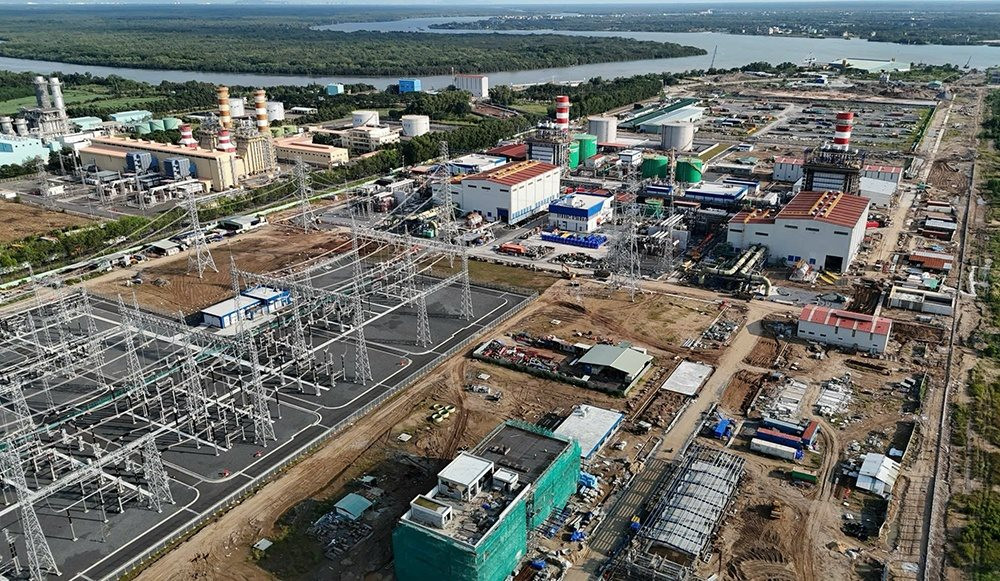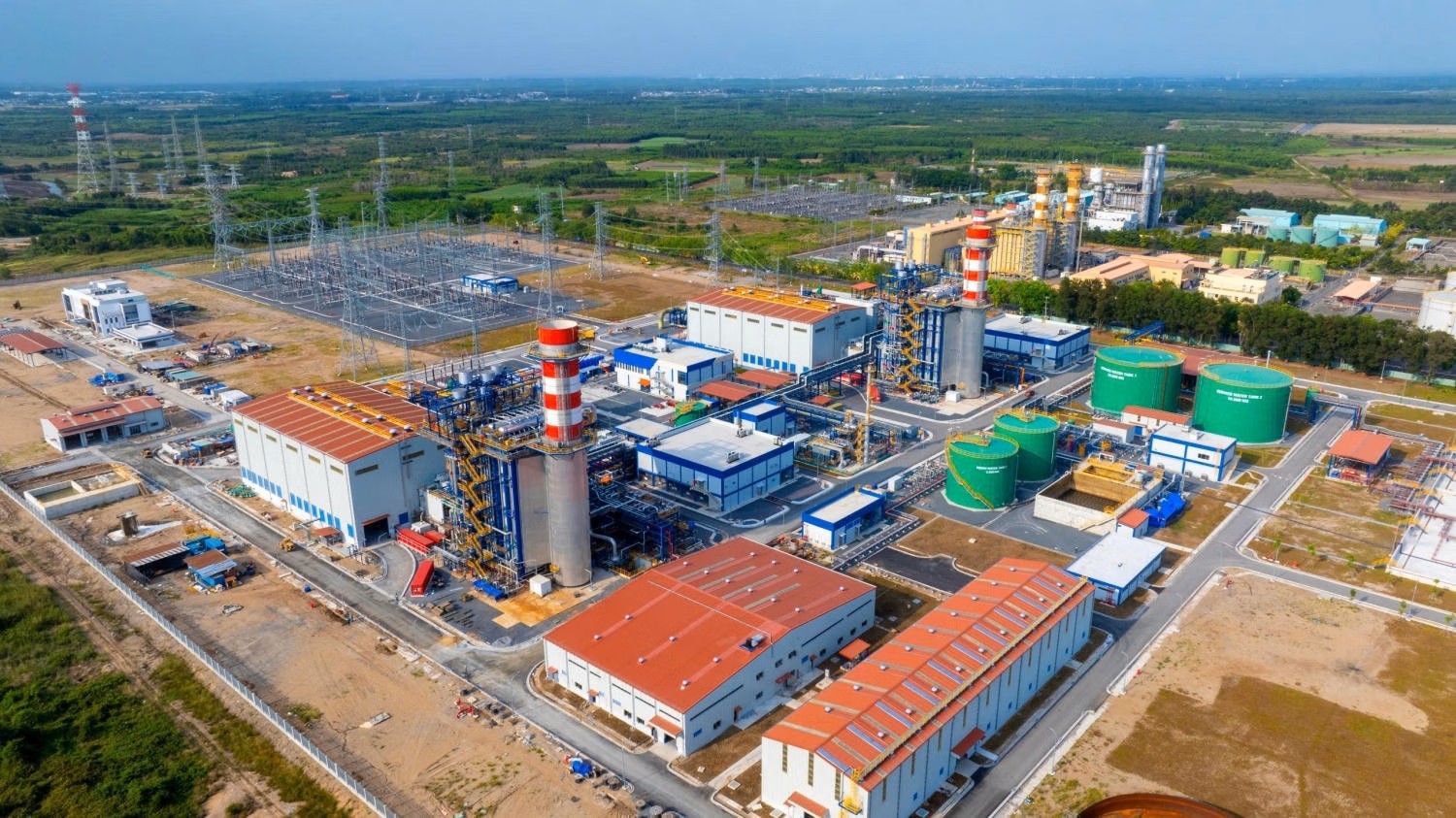
The opening nine months of the year saw PetroVietnam Power Corporation (PV Power) power plants produce 14.955 billion kWh of electricity, a 55.3% increase over the previous year. This robust growth highlights the significance of upkeep and repairs, equipment reliability, and operational readiness in ensuring that generating units are available whenever the national power grid requires them.
Maintaining plant availability through daily maintenance
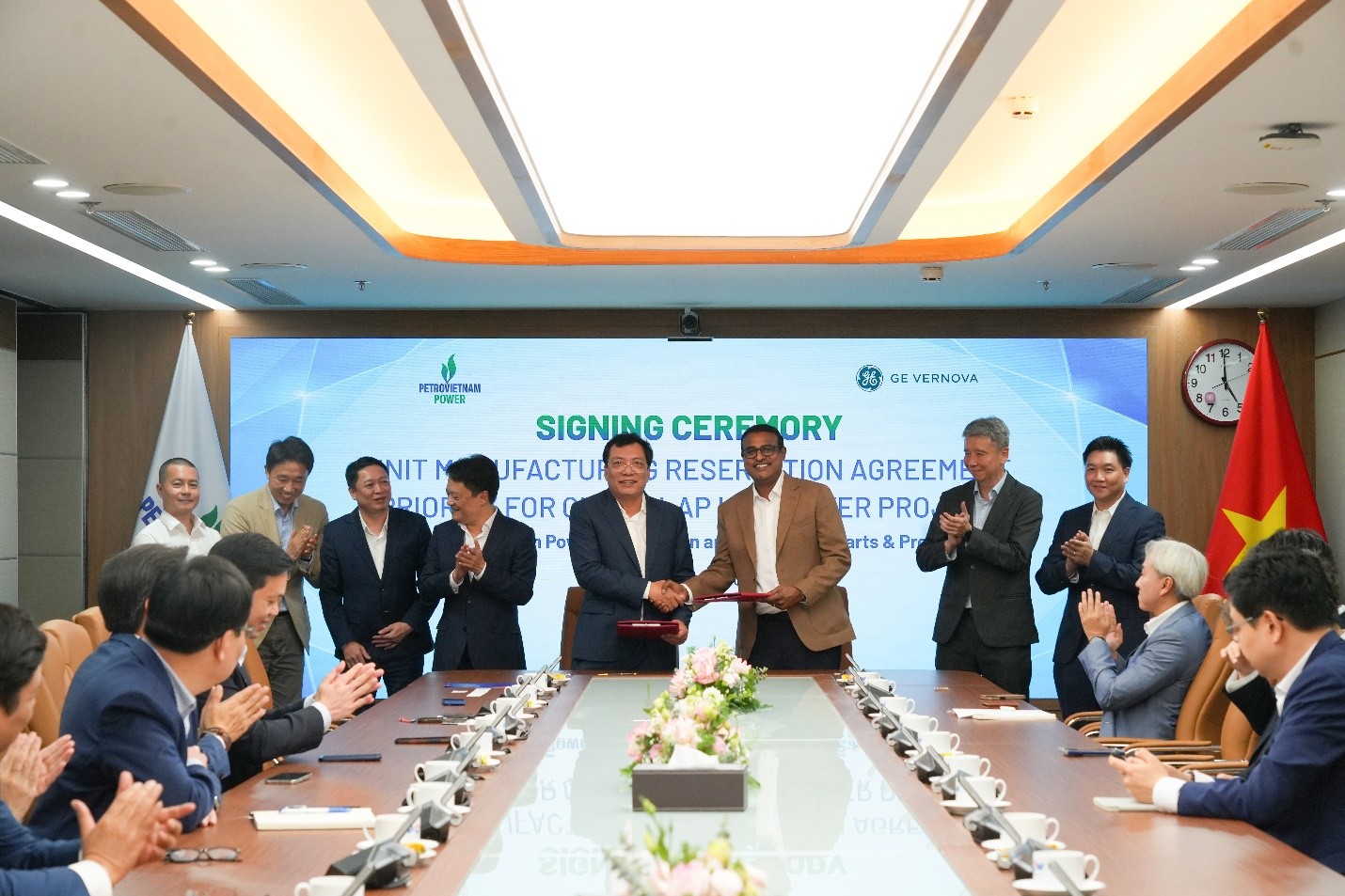
In his opening remarks as part of PV Power’s conference on optimising power plant operations, maintenance, and repairs, Hoang Van Quang, chairman of PV Power’s Board of Directors, emphasised how important maintenance and repair tasks are to guaranteeing power plants run safely, steadily, and effectively. He also called on subsidiaries and operating units to clearly identify obstacles encountered during implementation and put forward solutions specifically tailored to actual operating conditions.

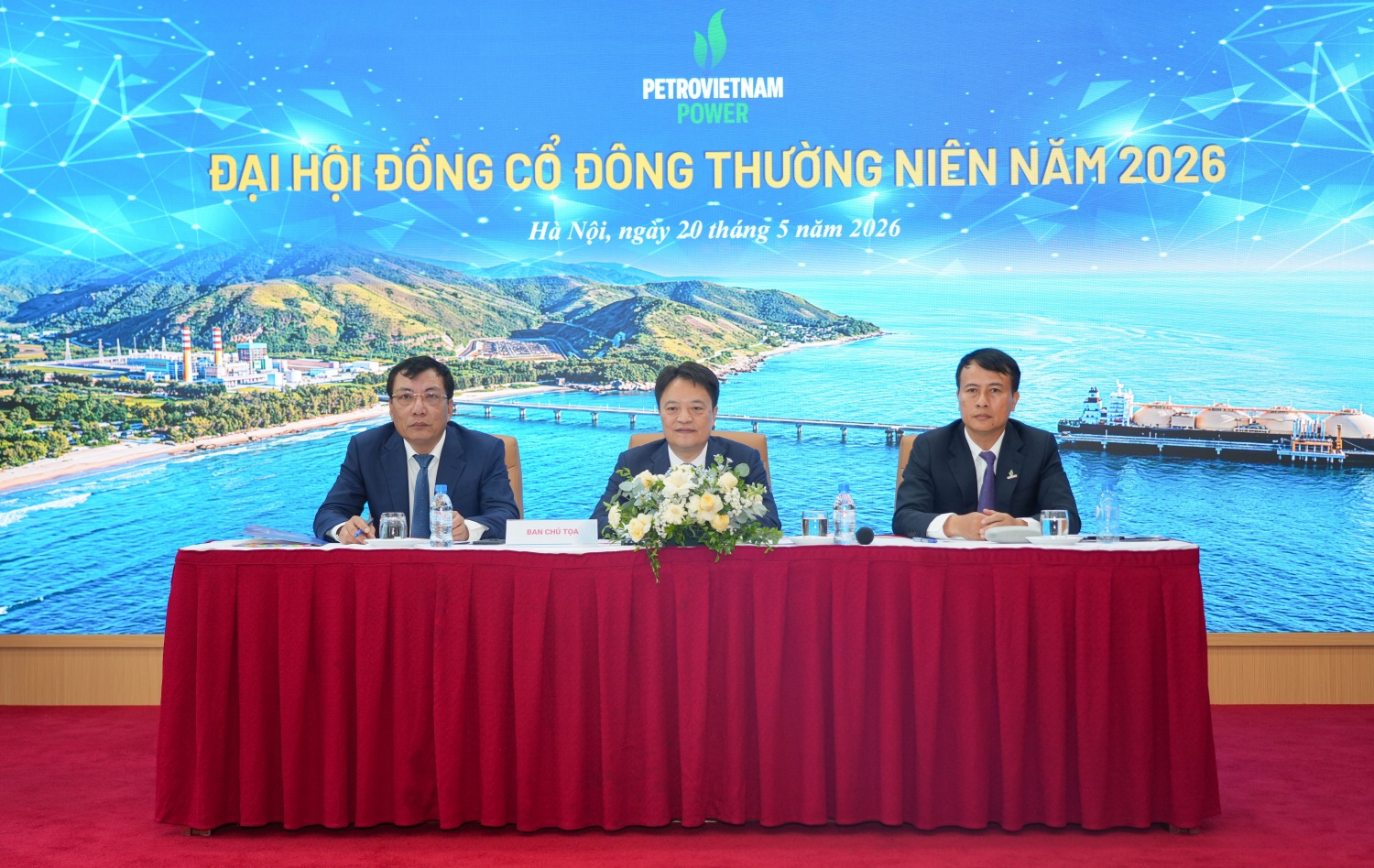
PV Power chairman Hoang Van Quang, president Le Nhu Linh, and vice president Ngo Van Chien co-chair the conference on optimising operations, maintenance, and repair activities.
Plant availability reflects a generating unit’s technical readiness to meet dispatch requirements. In order to maintain this indicator, power plants must keep a close eye on the status of their equipment while it is operating, respond quickly to any abnormalities, and make sure there are enough spare parts, materials, and personnel on hand to finish maintenance tasks during planned outage windows.
Early fault detection therefore enables operators to plan corrective work proactively, minimising the risk of unexpected shutdowns at times when the power system needs additional generating capacity.
PV Power's five power plants, which include a total of seven generating units, produced 14.955 billion kWh of electricity in the first nine months of the year, an annual increase of 55.3%. This rise was partly driven by contributions from Nhon Trach 3 and Nhon Trach 4, neither of which had entered commercial operation during the corresponding period from last year.
Excluding these two newly commissioned plants, electricity output from facilities already in operation during the same period rose by 14.8%. In terms of plant availability, six of the seven generating units either met or exceeded their assigned targets, while six managed to maintain availability rates above 94%.
The scheduled intermediate overhaul of Unit S1 at Vung Ang 1 Thermal Power Plant can be viewed as an excellent illustration of maintenance work customised to the equipment's actual state. Over a 33-day period, the teams carried out work across eight major systems, covering everything from the boiler, turbine, and generator to environmental treatment equipment.
Along with taking on activities that had previously required specialised contractors to maintain the turbine feedwater pumps, PV Power’s Technical Services Centre completed three of the 22 work packages. Findings identified during equipment disassembly were subsequently used to reassess the scope of work and cost estimates for the planned intermediate overhaul of Unit S2 in 2027.

In the first nine months of 2026, electricity output from PV Power’s five power plants, comprising of seven generating units, reached 14.955 billion kWh, up 55.3% on-year
PV Power has also standardised its maintenance operations through the implementation of a Computerised Maintenance Management System (CMMS). By the end of September 2026, the system had recorded 7,005 work orders, of which 91.8% had been completed and closed. Around 70.7% of these orders were automatically generated from scheduled preventive maintenance plans.
By maintaining equipment-specific inspection and repair histories, the system enables power plants to identify recurring faults, review maintenance intervals, and prepare spare parts for subsequent overhaul cycles. This approach serves to strengthen maintenance planning while simultaneously helping to prevent equipment failures and reduce unplanned downtime.
Aligning maintenance schedules with power dispatch requirements
Looking ahead to 2027, PV Power expects commercial electricity output to reach 25.024 billion kWh, a figure which stands 37.3% above its 2026 annual target. Alongside this higher production goal, the corporation plans to carry out eight scheduled maintenance and repair outages. The key challenge will be to align plant shutdowns with the power system’s dispatch schedule while simultaneously ensuring high-quality maintenance and promptly restarting generating units.
When operating conditions allow, PV Power intends to schedule significant overhauls during times of low electricity consumption, the rainy season, or planned gas supply interruptions. For outages co-ordinated with the system’s dispatch schedule, power plants can combine corrective work on identified equipment abnormalities with maintenance tasks already prepared in advance.
This scheduling approach has been designed with the specific goal of minimising separate shutdown periods for individual maintenance activities and preserving available generating capacity during periods of peak electricity demand.

When operating conditions allow, PV Power intends to schedule significant overhauls during times of low electricity consumption, the rainy season, or planned gas supply interruptions.
At Ca Mau, PV Power intends to carry out a major overhaul of Ca Mau 1 alongside the replacement of its control system, with the aim of bringing the plant back online before the onset of peak dry-season demand. Maintenance plans for Ca Mau 1 and Ca Mau 2 will also place greater emphasis on in-depth inspections and generator condition monitoring to ensure the early detection of signs of insulation deterioration.
At Vung Ang 1, the focus will be on thorough inspections of critical equipment systems and preparations for the intermediate overhaul of Unit S2. Meanwhile, at Nhon Trach 1 and Nhon Trach 3 and 4, inspection programmes will be stepped up, with particular attention given to gas turbine borescope examinations, the early detection of equipment anomalies, along with the procurement of spare parts and materials based on actual inspection results.
In his closing remarks, Le Nhu Linh, president & CEO of PV Power, urged all units to work in close co-ordination and implement a comprehensive range of measures to ensure the successful execution of the corporation’s 2027 production and business plan.
He placed particular emphasis on seamless collaboration at every stage of the maintenance process, encompassing spare parts procurement, workforce mobilisation, acceptance inspections, and the timely return of generating units to service in accordance with the power system’s dispatch schedule. These efforts are aimed at safeguarding sufficient available generating capacity to meet electricity demand during periods of peak consumption.
Moving into next year with a more ambitious output target and eight scheduled maintenance and repair outages, PV Power continues to step up efforts to identify equipment faults at an early stage, secure spare parts in advance, and align plant shutdown schedules with the system’s dispatch requirements. Completing critical maintenance work before the dry-season peak will enable the corporation keeps its generating fleet in a state of readiness, ensuring that capacity is available when the grid needs it most and underpinning the achievement of its annual electricity output target.