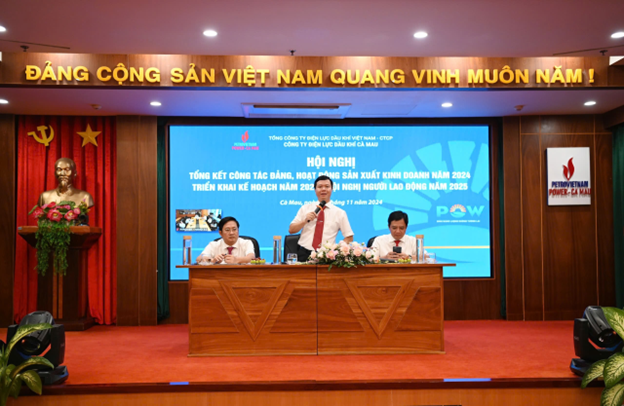
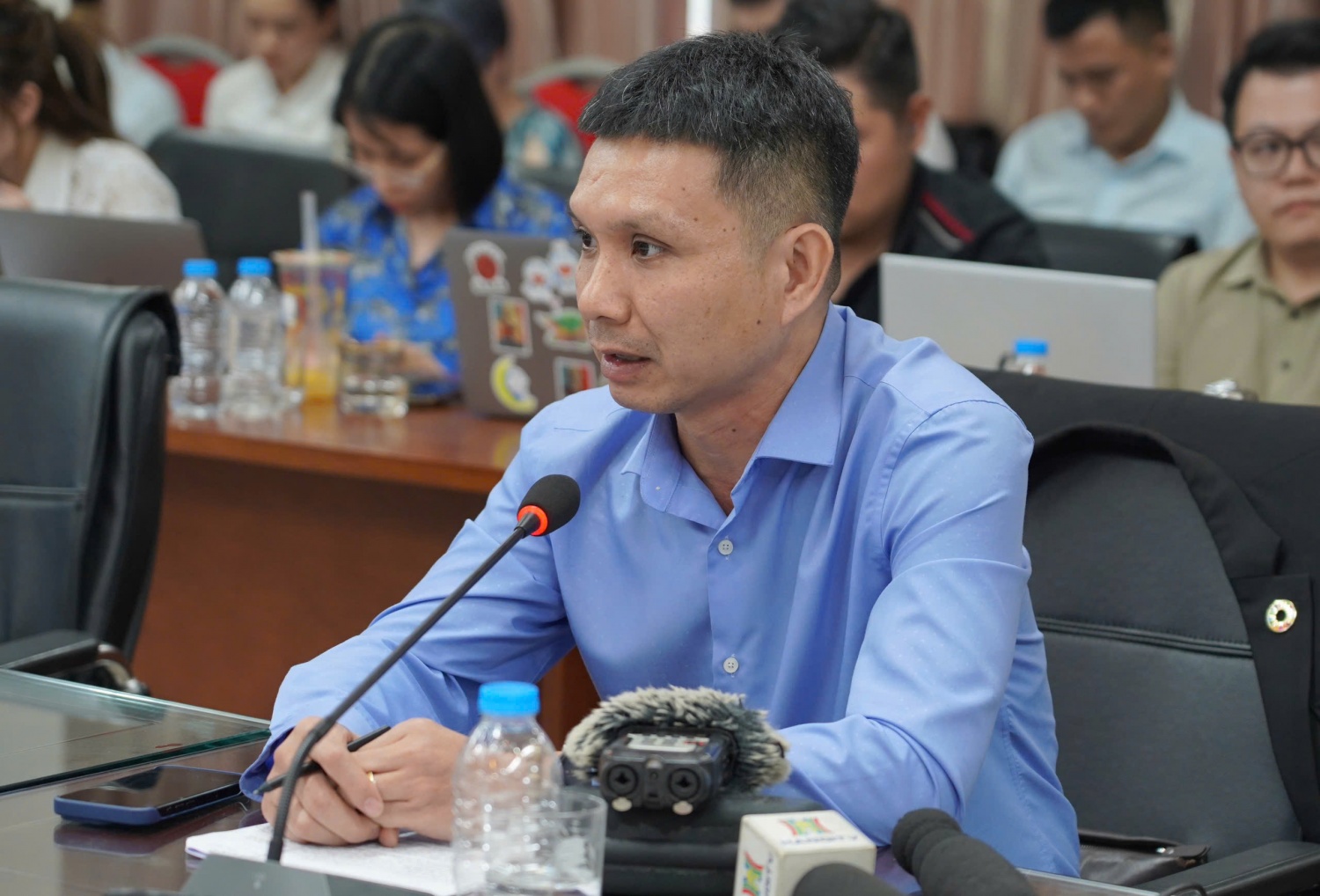
Photo: Ha Dang Son, director of the Centre for Energy Research and Green Growth, says the development of new power generation projects, particularly LNG-fired power, is confronted with significant challenges.
Speaking at the “Ensuring Power Supply During the Dry Season of 2026” conference organised by Construction Newspaper on June 10, Ha Dang Son, director of the Centre for Energy Research and Green Growth, said that ensuring energy security is a political responsibility for state-owned enterprises. Therefore, profitability is not the primary consideration when it comes to making investment decisions.
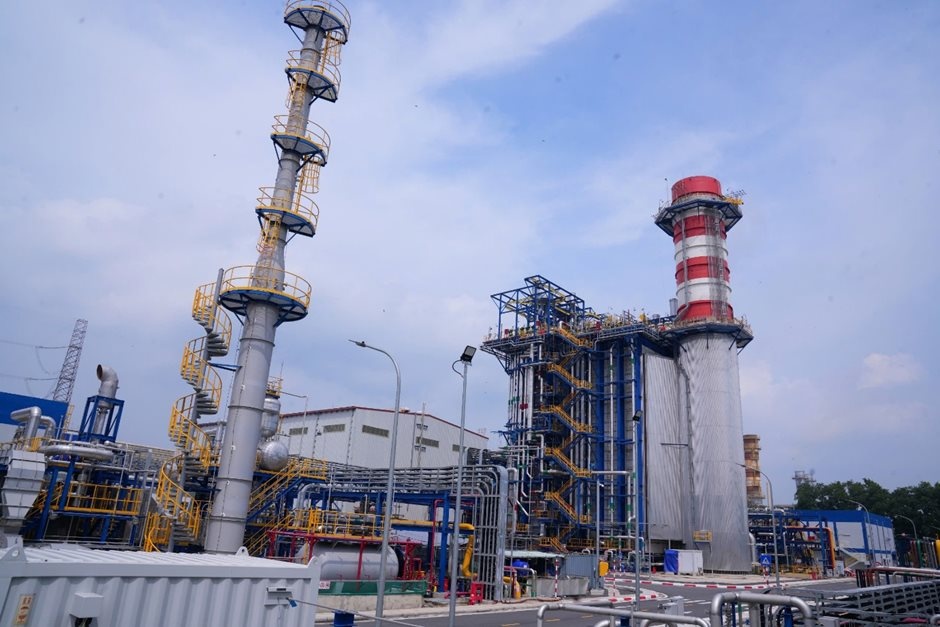
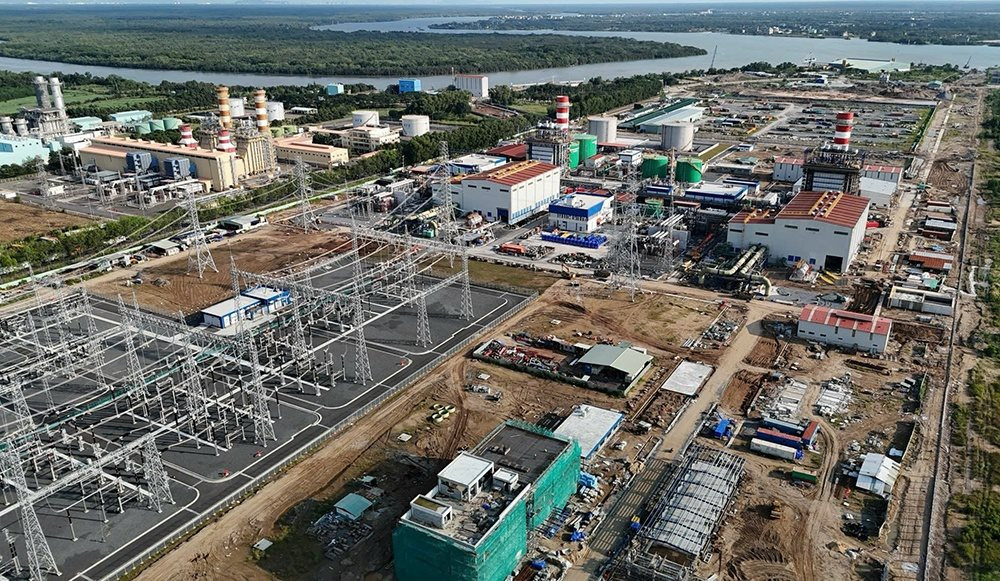
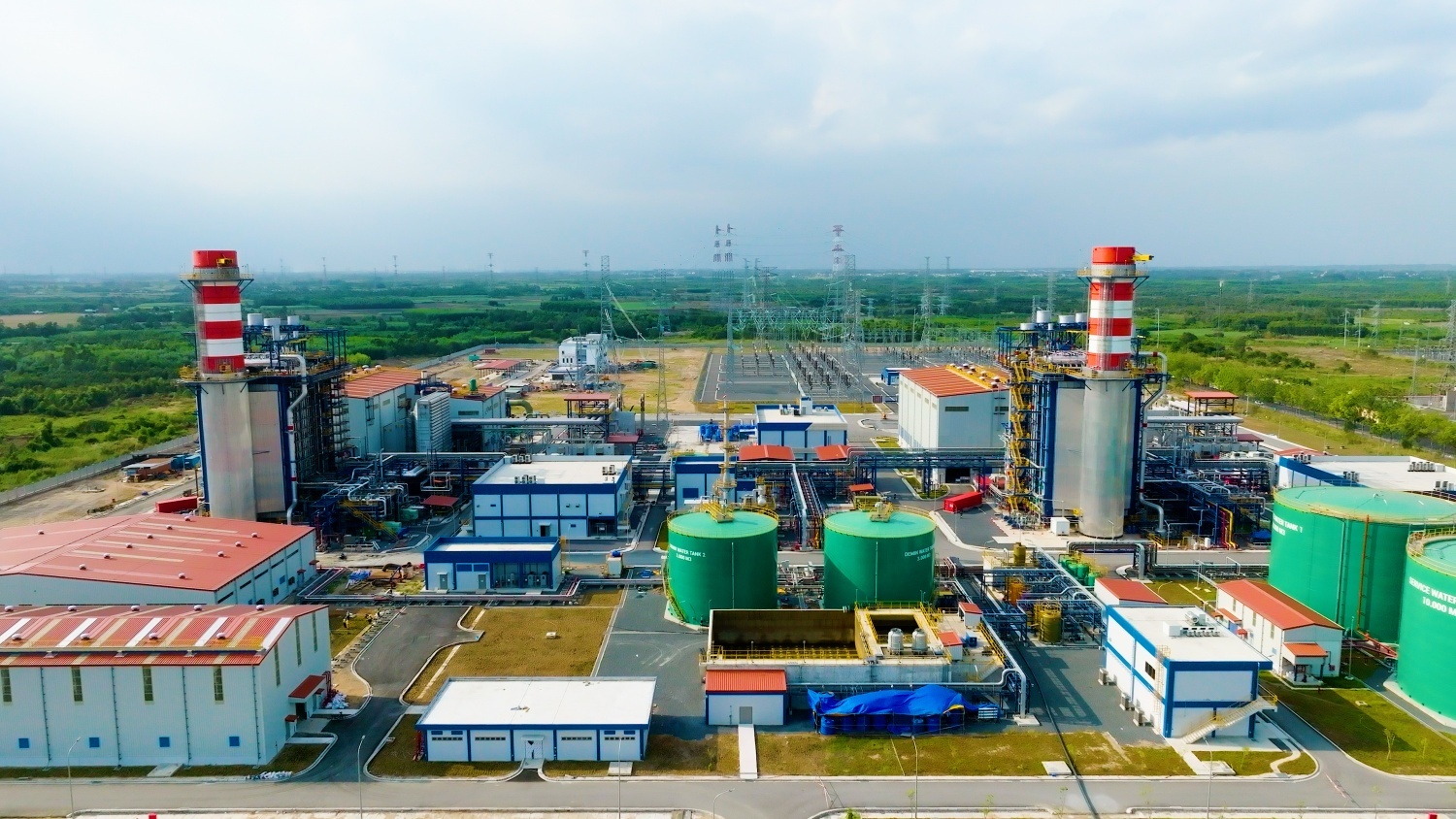
“In reality, during the peak demand period last May, gas-fired power from the Nhon Trach 3&4 LNG Power Plant, invested by PetroVietnam Power Corporation (PV Power), a subsidiary of Petrovietnam, played a vital role in supporting the national power system. Although several contractual terms remain under negotiation and have yet to be finalised, the project has continued to move forward in response to the urgent requirements of national energy security. This is also a responsibility that state-owned corporations must shoulder,” Mr Son emphasised.
According to Mr Son, the development of new power generation projects, particularly LNG-fired power plants, is facing considerable difficulties with regard to attracting investment capital from the private sector.
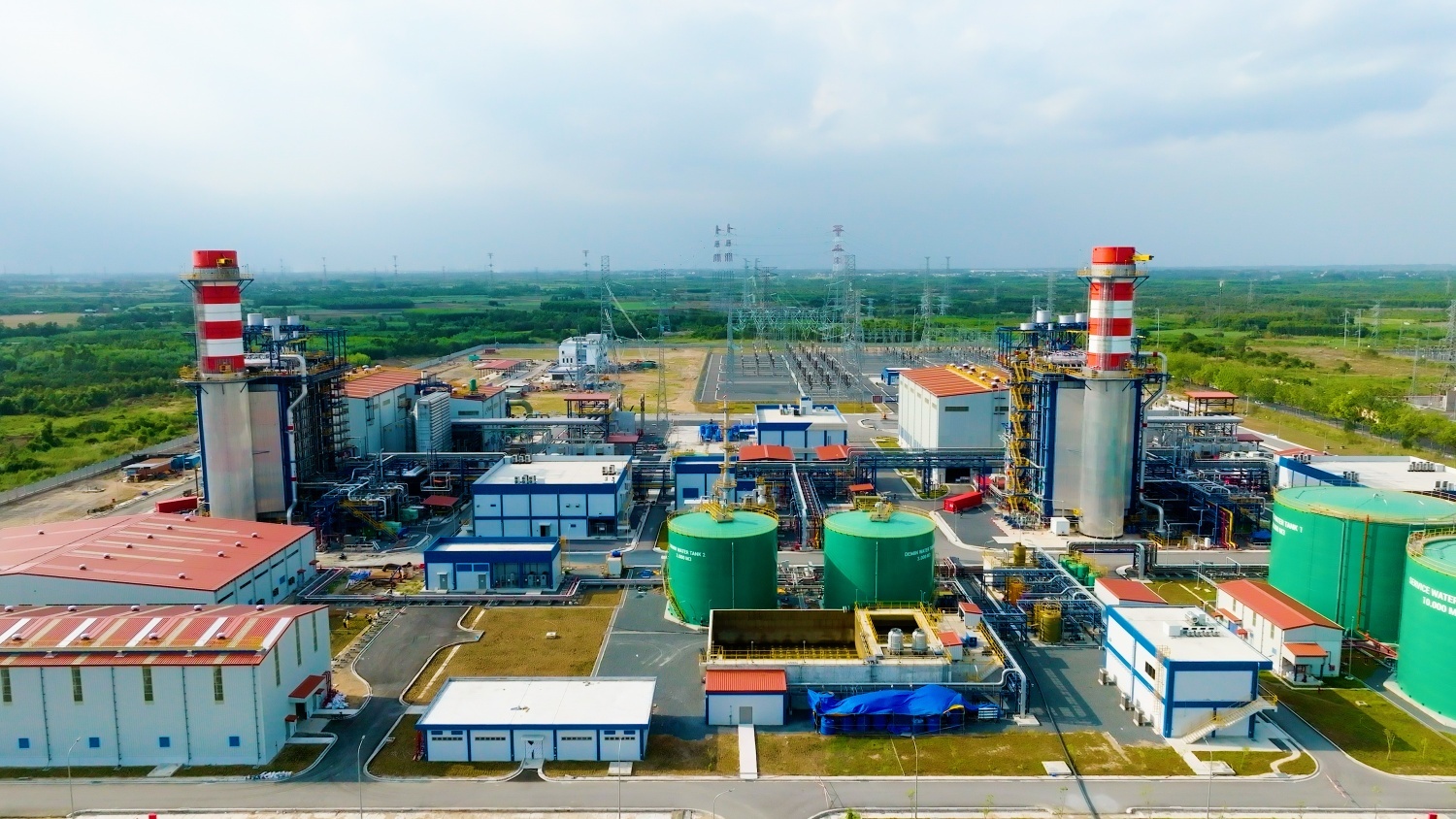
Photo: Gas-fired power from the Nhon Trach 3&4 LNG Power Plant contributes significantly to the national power system during May's peak demand period.
Sharing this view, energy expert Phan Xuan Duong said that LNG-fired power, together with offshore wind power, should be considered as the two energy sources which are expected to result in a breakthrough in Vietnam’s future energy mix. Under the adjusted Eighth National Power Development Plan (PDP8), Vietnam aims to generate around 22.4 GW of LNG-fired power capacity by 2030. However, this outlook remains filled with challenges. Alongside issues related to fuel prices and electricity pricing mechanisms, the biggest obstacle facing private investors is their ability to mobilise capital.
“What businesses are concerned about is not only profitability, but also access to credit sources. At present, securing loans for LNG projects remains complicated, which is thought to be one of the biggest barriers hindering their implementation progress,” Mr Duong said.
LNG projects are primarily characterised by their massive investment scale, protracted capital recovery, and reliance on several variables, such as power purchase agreements, output offtake guarantee mechanisms, fuel price fluctuations, and commitments pertaining to LNG import infrastructure. Therefore, it will be extremely challenging to mobilise resources from the private sector in the absence of adequately appealing and stable procedures.
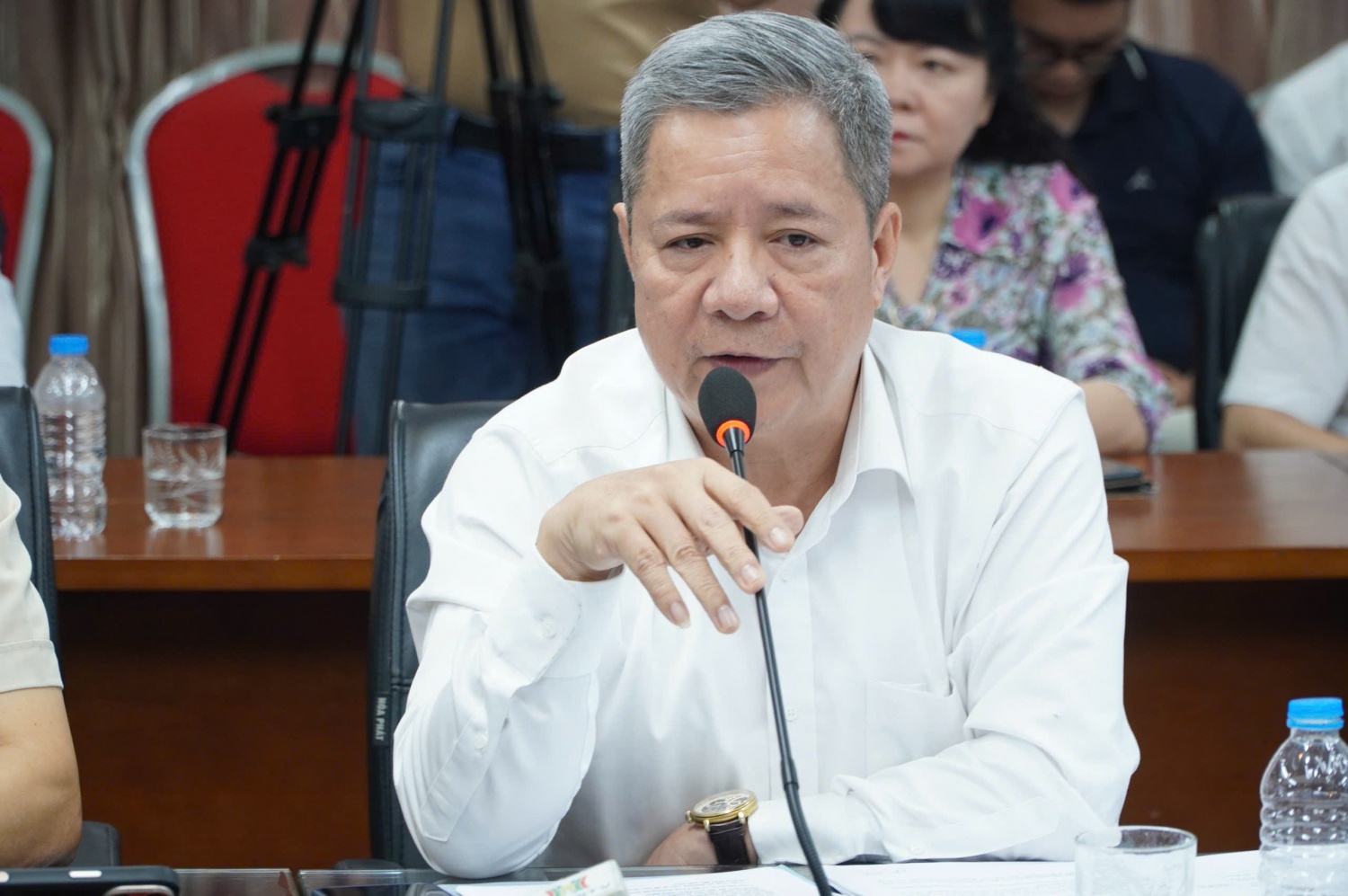
Photo: Bui Quoc Hung, deputy director general of the Electricity Regulatory Authority, states that adjusting the power output offtake commitment for LNG projects to 75% of Qc over 15 years is one of the solutions to remove obstacles facing LNG power development.
According to energy authorities, many LNG projects are currently falling behind schedule. Bui Quoc Hung, deputy director general of the Electricity Regulatory Authority under the Ministry of Industry and Trade, said that although the Eighth National Power Development Plan has clearly outlined the portfolio of power generation projects which will be implemented, the process has continued to encounter numerous obstacles.
Along with financial constraints, a lot of LNG projects are having trouble with investment processes, including investor selection, preparation of feasibility study reports, environmental impact assessments, land-related procedures, and negotiations over power purchase agreements. Even projects that have already received investment approval are still progressing slowly as they must simultaneously address multiple intricate legal requirements and administrative procedures.
As a means of tackling these bottlenecks, the Ministry of Industry and Trade has recommended that the Government submit Resolution No. 253/2025/QH15 to the National Assembly which will allow greater flexibility in modifying projects under the Eighth National Power Development Plan which in turn will satisfy the pressing needs of guaranteeing the supply of electricity.
The Ministry of Industry and Trade is now working with relevant ministries and agencies to address policy and regulatory barriers affecting important power projects while simultaneously finalising guidance documents for putting the resolution into practice. Among these steps is the modification of the power output offtake commitment for LNG-fired power projects to 75% of Qc over a 15-year period, which is anticipated to facilitate investment and hasten the construction of LNG power projects.