According to the corporation’s business performance report for the first six months of 2026, PV Power was able to generate more than 13.034 billion kWh of electricity, thereby exceeding its target by 15% and marking a rise of 42% from the same period last year. Estimated revenue reached VND33.52 trillion, equal to 129% of the planned figure, while pre-tax profit climbed to approximately VND5.002 trillion.
This strong profit performance was largely driven by significant improvements recorded in PV Power’s power generation operations during the reviewed period, with electricity output growing sharply compared with the same timeframe from last year.
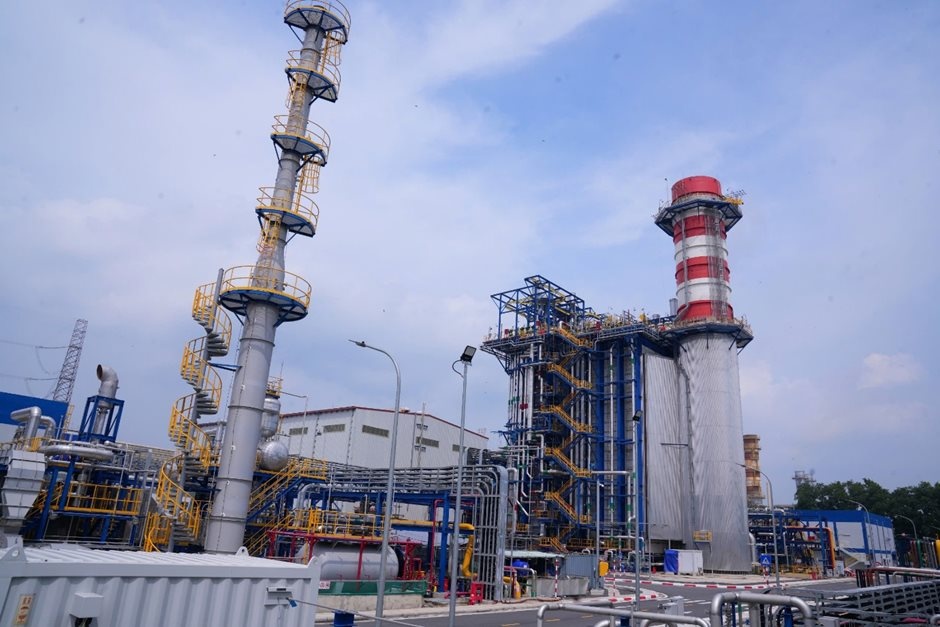
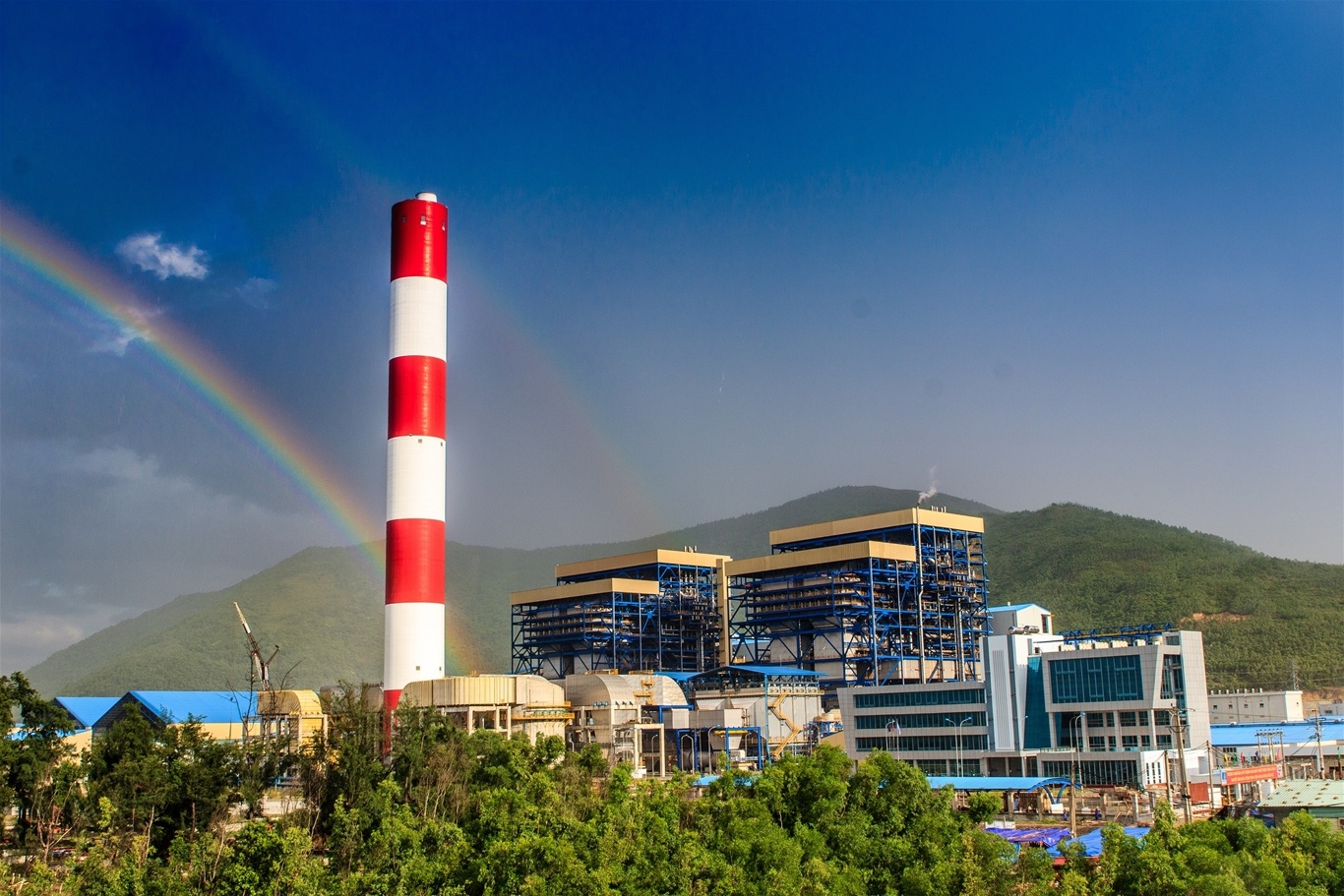
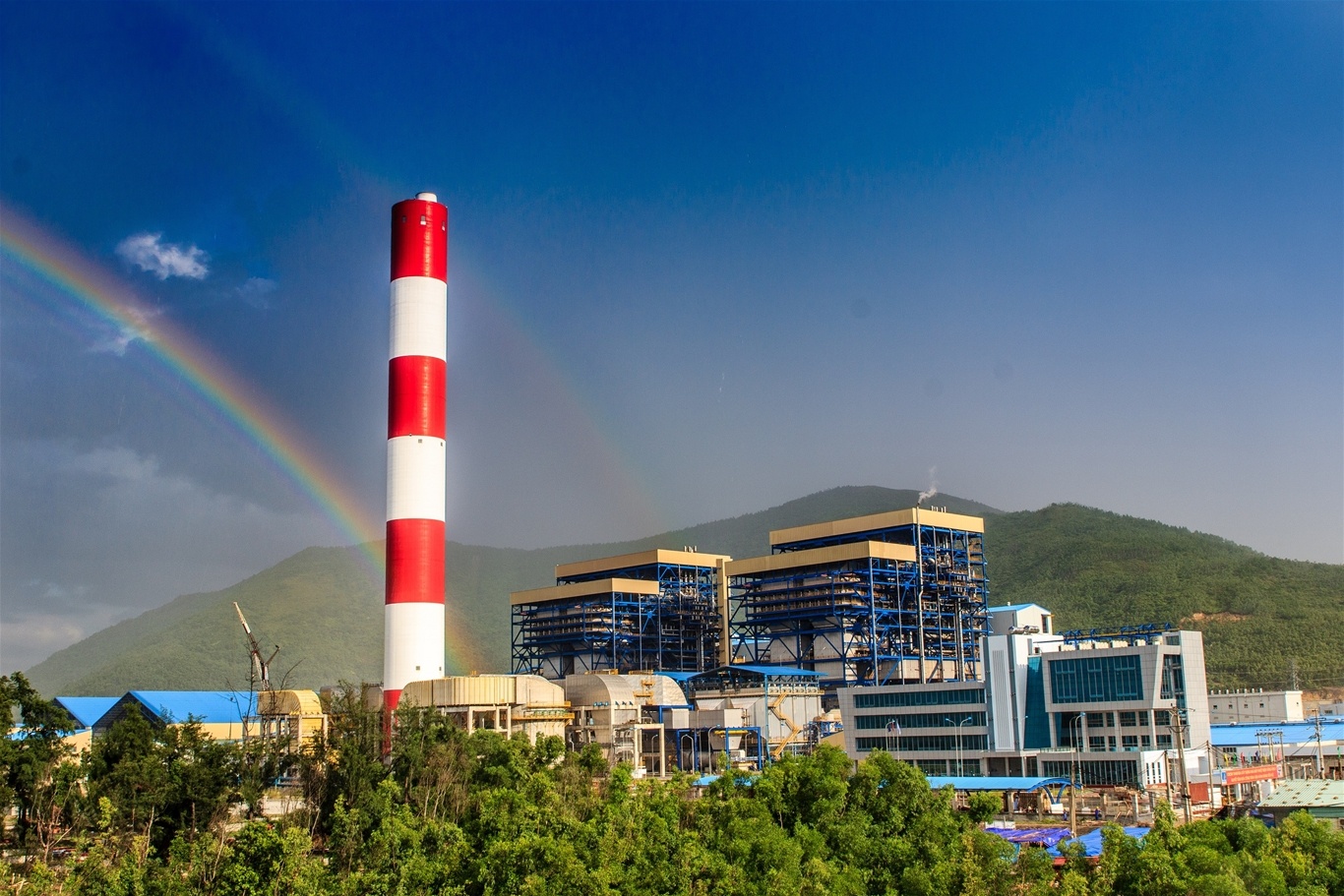
Vung Ang 1 Power Plant produced more than 4.184 billion kWh, reaching 123% of the production target assigned by Petrovietnam and 13% above the level recorded a year earlier. Elsewhere, Nhon Trach 2 generated over 2.141 billion kWh, equivalent to 133% of its target and a 57% on-year increase.
Alongside improved power generation and commercial operations, PV Power's strong first-half earnings were mainly fueled by its resolute efforts to address long-standing financial problems and outstanding receivables.
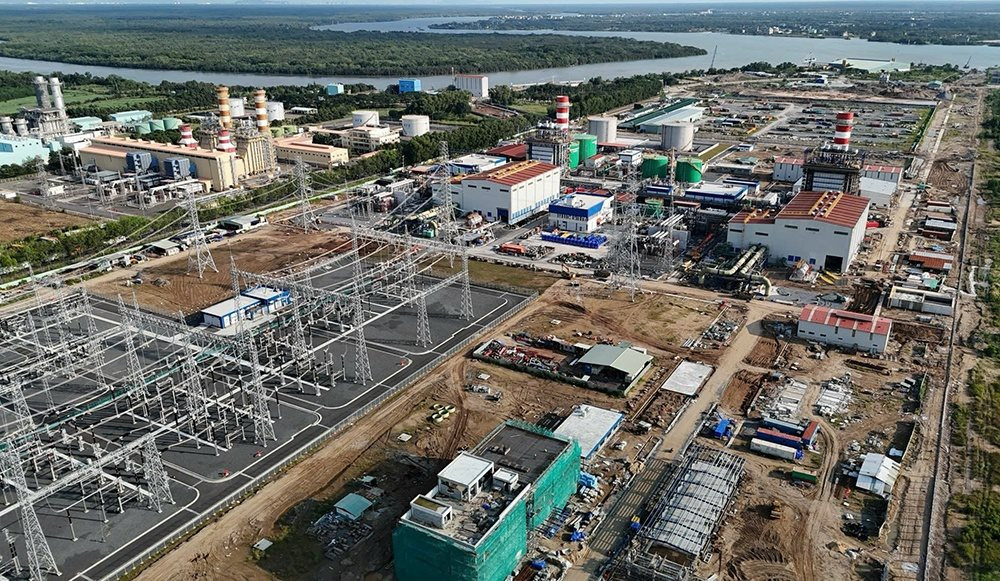
Since the beginning of the year, the commercial commissioning of Nhon Trach 3 and Nhon Trach 4 power plants added more than 2.6 billion kWh to PV Power's total electricity output. Simultaneously, the average full market energy price rose from VND1,143 per kWh in 2025 to about VND1,500 per kWh, providing favourable conditions for the corporation’s power facilities to maximize operating efficiency.
Beyond operational improvements, a substantial share of first-half earnings came from the settlement and recognition of legacy financial items, including foreign exchange differences and long-outstanding receivables accumulated over previous years.
At the parent company level, pre-tax profits hit approximately VND4.1825 trillion. Of this, retrospective adjustments totaled around VND2.4756 trillion, representing more than 59% of the total.
The largest contributions included more than VND1.103 trillion from foreign exchange differences related to Vung Ang 1 Power Plant for the 2019 to 2021 period, over VND991 billion from the final settlement of electricity payments and gas price differences at the Ca Mau 1 and Ca Mau 2 power plants, and roughly VND381 billion resulting from lower provisions for operation and maintenance (O&M) costs at the two facilities.
Together, these retrospective adjustments made for nearly half of PV Power's consolidated pre-tax profit of around VND5.002 trillion. These figures underscore that the corporation’s earnings growth was fueled by the efficiency of its power generation and business operations, but also by the decisive contribution of efforts which sought to resolve long-standing financial issues and outstanding receivables carried over from previous years. The successful recognition and recovery of these amounts in turn reflects extensive negotiations, thorough documentation, and persistent efforts aimed at safeguarding the interests of both the corporation and its shareholders.
In line with this, the more than VND5 trillion in pre-tax profit gained during the first half of 2026 provides PV Power with a stronger financial foundation, improved cash flow and greater capacity to finance future investment projects. Looking ahead, the corporation is considering optimising plant dispatch, enhancing fuel efficiency, and strengthening returns from its core power generation business as the key drivers of sustainable long-term growth.